One of the first things you learn cooking on the road is that there is no “normal” kitchen.
Some nights you’re standing under an awning, wind pushing smoke sideways, working off a single burner. Other nights you’re tucked inside, rain pounding the roof, grateful for a stable surface and a hot flame. And then there are the nights when the fire is just right, the cast iron is already warm, and the plan disappears because the moment takes over.
Cooking while traveling isn’t about picking the best setup.
It’s about knowing how to adapt to the one you’ve got.
That’s the difference between following recipes and actually cooking on the road.

Start With the Conditions, Not the Recipe
Before you ever think about what you’re making, the real question is simple:
Where are you cooking tonight?
- Inside the RV because the weather turned
- Outside on propane because time matters
- Over charcoal or fire because you’re staying put
Once you answer that, everything else falls into place.
Trying to force a campfire recipe onto a windy lunch stop or turning a one-pan stove meal into an outdoor production is where frustration creeps in. Flexibility is the skill that matters most.
Cooking Inside: Control Over Romance
Indoor cooking is rarely glamorous, but it’s efficient and predictable.
Portable stoves-whether propane, butane, or electric-are built for reliability. They shine when:
- The weather is working against you
- You need heat fast
- Cleanup matters
This is where one-pan meals earn their keep. Pasta, stir-fries, soups, quick breakfasts-anything that doesn’t require juggling multiple heat zones or long cook times.
The key adjustment indoors isn’t technique. It’s simplicity. Fewer steps. Fewer pans. Clean flavors that don’t linger.
Ventilation matters. Space matters. The food should work with the environment, not fight it.
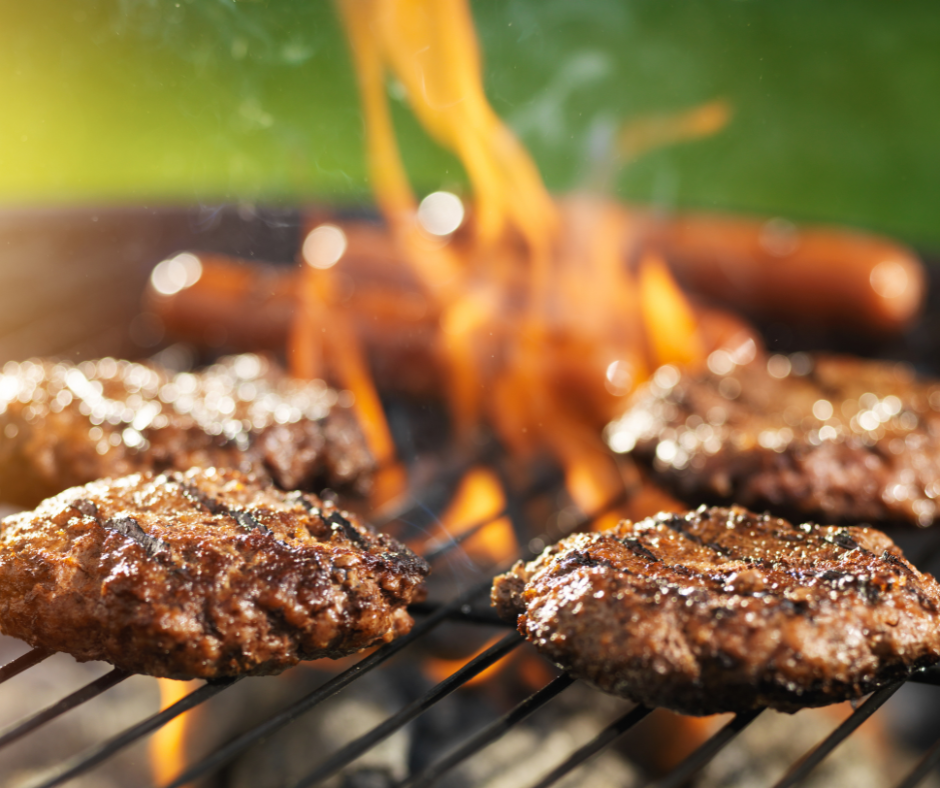
Grilling Outside: Speed and Flavor
Grilling sits in the middle ground between convenience and experience.
Propane grills are fast and predictable. Charcoal adds time, but rewards patience. Portable grills bridge both worlds when space is limited.
This setup works best when:
- You want real heat without a full fire build
- You’re cooking proteins and vegetables
- You want flavor without committing the whole evening
Grilling is less about recipes and more about heat management. Knowing when to use direct heat, when to back off, and when to let food finish slowly on the edge of the grill matters more than exact timing.
It’s efficient cooking, but it still feels like you’re outside doing something intentional.
Campfire Cooking: When Time Slows Down
Campfire cooking isn’t efficient. That’s the point.
Fire pits, rings, or portable setups all demand attention-reading the flames, adjusting coals, and moving food instead of adjusting knobs. This is where cast iron shines, because it holds heat steady even when the fire doesn’t.
This setup works when:
- You’re not rushing
- You want to cook with the fire, not just over it
- The experience matters as much as the meal
Dutch ovens, foil packets, skewers, and grill grates all belong here. Recipes stretch. Timing becomes feel-based. Food takes on character.
It’s slower. It’s heavier. And it’s often the most memorable cooking you’ll do.
Weather Changes Everything
Weather doesn’t ruin plans-it reshapes them.
Rain pushes you inside. Wind forces shelter or fire management. Heat dictates how long you want to stand over flames. Knowing when to pivot matters more than stubbornly sticking to a plan.
Simple tools-tarps, wind screens, natural barriers-make the difference between fighting conditions and working with them.
Good road cooking isn’t about perfect weather. It’s about being prepared for imperfect days.
Planning for Flexibility, Not Perfection
The most useful skill on the road isn’t mastering one setup-it’s designing meals that move easily between them.
- A stove-top chili becomes a campfire Dutch oven meal
- Grilled vegetables finish in a skillet when the wind kicks up
- A fire plan turns into an indoor fallback without wasted prep
That flexibility starts at the grocery store. Versatile staples. Simple proteins. Ingredients that don’t lock you into one method.
You’re not meal-planning for a kitchen. You’re planning for conditions.
Safety Isn’t Optional – It’s Part of the Skill
Every setup carries responsibility.
Ventilation indoors. Stable ground outside. Fire control everywhere. Cooking on the road removes guardrails, which means awareness replaces convenience.
Good habits aren’t restrictive-they’re what let you relax into the cook.
Why This Way of Cooking Sticks With You
There’s something about outdoor cooking that changes your relationship with food.
The sound of fire. The weight of cast iron. The way time stretches when you’re not rushing to the next thing. Meals stop being tasks and start becoming moments.
Every cook becomes part of the place you’re in.
That’s what this project is about.
If you want to see these meals the way they actually happen-fire, scenery, weather, and the moments between-you can find the full cook on the Cooking on the Road YouTube channel.
For recipes, gear notes, and behind-the-scenes updates, everything lives here on the site.
See you at the next cookout.
Some links on this site are affiliate links. If you choose to purchase them, we may earn a commission at no additional cost to you.ase, we will receive an affiliate commission at no additional cost to you.