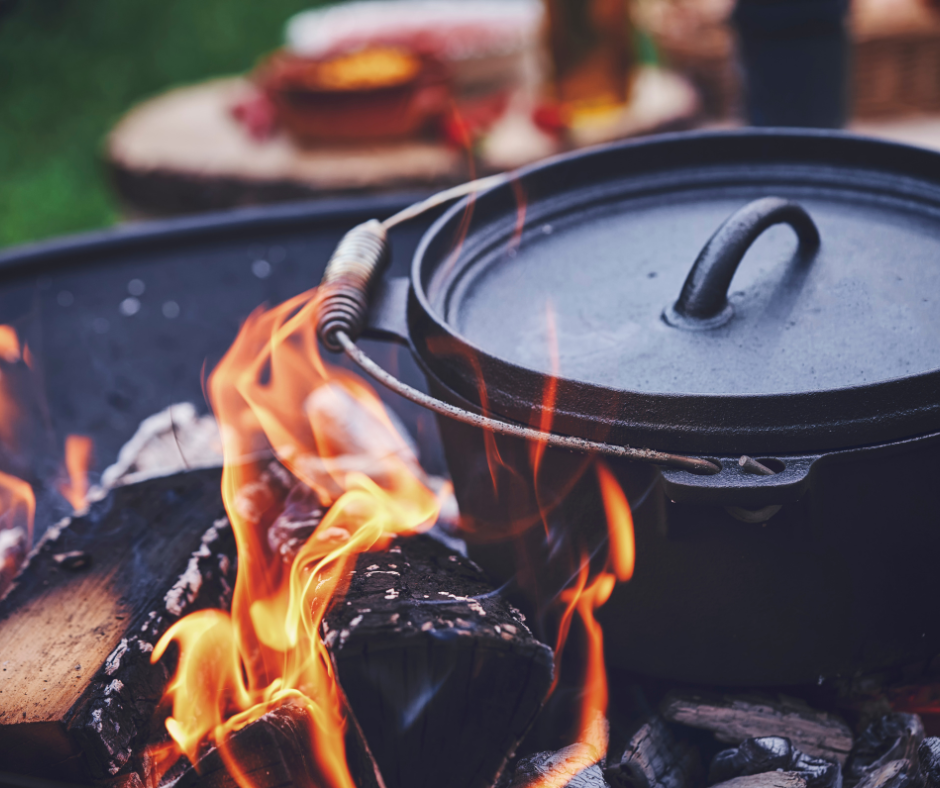

The fire crackled gently, sending up a shower of sparks that flickered like fireflies against the darkening sky. The campsite, nestled under a canopy of stars, buzzed with a gentle hum of conversation and laughter. The day had been spent exploring winding trails and soaking in the breathtaking views, but now, as dusk settled, it was time to turn attention to the evening meal. Cooking over a fire in a Dutch oven offers a unique blend of simplicity and flavor, ideal for those who find themselves on the road. With the right techniques and a bit of know-how, anyone can transform a campsite into a gourmet kitchen.
The Art of Fire Building
Before considering the meal itself, building the right fire is crucial. Not just any fire will suffice; it must produce steady heat over an extended period. Gathering wood from the surrounding area can often be the first step, though seasoned travelers might carry their own supply. A mix of hardwoods and softwoods is ideal, with the former providing long-lasting coals and the latter igniting quickly to get the fire going.
Start by laying a foundation of kindling and smaller sticks, forming a loose teepee structure. Light this carefully, shielding it from the wind if necessary, and gradually add larger pieces of wood as the flames take hold. Patience is key here, as the goal is to build a bed of glowing coals, which will provide the steady, even heat needed for Dutch oven cooking. It’s a ritual that adds to the overall experience, a moment of quiet preparation before the meal begins.
Choosing the Right Dutch Oven
When selecting a Dutch oven, the material, size, and design all play a role. Cast iron is the material of choice due to its superior heat retention and even distribution. A 10 to 12-inch oven is versatile, capable of handling everything from stews and roasts to breads and desserts.
The design is equally important. Look for an oven with sturdy legs and a tight-fitting lid, which allows for coals to be placed on top, ensuring heat surrounds the food from all sides. A wire handle makes it easier to maneuver, especially when using a tripod over an open flame. Investing in a high-quality Dutch oven will pay off with years of reliable service and countless delicious meals.
Setting Up Camp
As the fire burns down to a bed of red-hot coals, it’s time to prepare the cooking area. A fire ring or a cleared area of ground is essential for maintaining safety and control. Arrange the coals in an even layer, reserving some for the top of the Dutch oven.
Position the Dutch oven over the coals, ensuring it’s stable. The legs help to keep it steady, but it’s worth double-checking before adding any ingredients. This stability is particularly important when cooking over an uneven surface, such as those often found at campsites. With the Dutch oven securely in place, the stage is set for a memorable cooking experience.
The Magic of Slow Cooking
One of the greatest joys of using a Dutch oven is the ability to slow cook, allowing flavors to meld and deepen over time. Whether it’s a hearty stew bubbling away or a loaf of bread rising and baking, the slow, steady heat works magic.
Consider starting with something simple yet satisfying, like a stew. Begin by browning meat in a bit of oil, which not only adds flavor but also helps to develop a rich base for the stew. Next, add in a mix of chopped vegetables, stirring them around to coat them in the flavorful juices. Finally, pour in liquid – this could be a mix of broth, wine, or even beer – and let the oven do its work.
With the lid in place and coals arranged on top, the key now is to resist the urge to peek too often. Each time the lid is lifted, precious heat escapes, potentially extending the cooking time. Instead, trust in the process and enjoy the campfire ambiance as the aroma of your meal begins to fill the air. There’s a certain magic in the air as the sun sets and the firelight dances across the faces of those gathered around.
Maintaining Heat and Control
Keeping a close eye on the fire and the coals is essential. As time passes, the coals will naturally lose their heat, so it’s important to replenish them periodically. Adding a few new pieces of wood to the fire and then transferring fresh coals to the Dutch oven helps maintain a consistent temperature.
Experience teaches how to judge the heat without the precision of modern kitchen tools. A hand held near the coals can gauge the intensity – if it feels uncomfortably hot after a few seconds, you’re likely in the right range. Adjusting the number of coals on top and underneath the oven can also fine-tune the cooking process. It’s a dance of fire and food, an ancient rhythm that connects us to our ancestors who cooked in much the same way.
Campfire Bread: A Staple and a Treat
Baking bread in a Dutch oven is a revelation for many travelers. The process is simple, yet the results are nothing short of spectacular. Mixing flour, water, yeast, and a bit of salt creates a basic dough that can be left to rise while the main course cooks.
Once the dough has doubled in size, it’s ready to bake. A quick knead and shape, then it goes into a preheated Dutch oven. The lid goes back on, coals are placed on top, and in about half an hour, the scent of freshly baked bread mingles with the woodsmoke, creating an unforgettable aroma. The crusty, golden loaf that emerges is the perfect accompaniment to any meal and a testament to the versatility of the Dutch oven.
Dessert by the Fire
No meal is complete without dessert, and the Dutch oven excels here as well. A simple fruit cobbler is a perfect choice, with fresh or canned fruit forming the base and a biscuit-like topping. Assemble the dessert, place it in the Dutch oven, and let it bake while enjoying the main course.
The bubbling, caramelized fruit and the golden, crumbly topping create a delicious contrast, all with minimal effort. By the time dinner plates are cleared, dessert is ready to be savored under the stars. This simple pleasure is a fitting end to a day of adventure and exploration.
Cleaning and Caring for Your Dutch Oven
Once the meal is finished, attention turns to cleaning and caring for the Dutch oven. Proper care ensures it remains a trusty companion for many adventures to come. Allow the oven to cool slightly, then use a stiff brush and hot water to clean it. Avoid using soap, as it can strip the seasoning that builds up over time and enhances the non-stick properties of the cast iron.
If food is particularly stubborn, a sprinkle of coarse salt can help to scrub away residue. Once clean, dry the oven thoroughly to prevent rust, and apply a thin layer of oil to maintain the seasoning. Store it with the lid slightly ajar to allow air circulation, preventing any moisture build-up. This care and attention extend the life of the Dutch oven, ensuring it remains ready for the next adventure.
Embracing the Experience
Cooking over a fire in a Dutch oven is more than just preparing a meal; it’s about embracing the experience and the connection to the surroundings. The act of gathering wood, building a fire, and cooking with simple, time-honored techniques brings a sense of satisfaction that modern conveniences often overlook.
Each meal becomes a shared experience, a story told through the flavors and aromas that waft through the campsite. It’s a reminder that, even on the road, some of the best moments are those spent around a fire, enjoying good food and great company. The simplicity of campfire cooking brings a sense of peace and contentment that is hard to find elsewhere.
Creating Memories
Every time the Dutch oven is pulled out and the fire is lit, it’s an opportunity to create lasting memories. Whether it’s a solo journey through the wilderness or a gathering of friends and family at a favorite campsite, the act of cooking and sharing food becomes a central part of the adventure.
It’s in these moments that stories are told and retold, laughter echoes through the trees, and bonds are strengthened. The simplicity of the Dutch oven and the magic of cooking over a fire turn each meal into a cherished memory, a touchstone for future travels. As the embers glow and the stars shine brightly above, it’s clear that the journey is as much about the experiences along the way as it is about the destinations.
So, next time the road calls and the campsite awaits, don’t forget to pack the Dutch oven. With a bit of practice and a spirit of adventure, it will become an indispensable part of the journey, transforming each meal into an experience to savor and remember.
There’s something about cooking outdoors that slows time down a little – the sound of the fire, the weight of the cast iron, the quiet that settles in when the only thing you’re focused on is the food in front of you. Every recipe here is one more stop along the way… one more meal cooked under open sky, one more reminder that simple ingredients and a good pan can turn any place into a kitchen.
If you’re following along on this journey, I’m glad you’re here. There’s a lot more to cook, a lot more to explore, and every dish adds a new chapter to where this project is heading.
If you want to see these cooks the way they actually happen – fire, scenery, and the moments between – you can find all the videos on the Cooking on the Road YouTube channel. And for more recipes, gear notes, and behind-the-scenes updates, everything lives right here on the website.
See you at the next cookout.
Some of the links here are affiliate links. This means that if you click on the link and make a purchase, we will receive an affiliate commission at no additional cost to you.