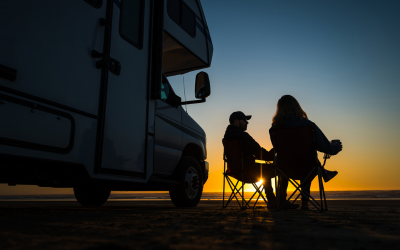
The road stretches out like a promise, beckoning with endless possibilities and new adventures. As you navigate the twists and turns of your journey, the comfort of a hot, home-cooked meal becomes a sanctuary amidst the ever-changing scenery. Cooking in an RV brings its own set of challenges and rewards, blending the simplicity of life on the road with the joy of creating something delicious. Here are the best practices for safe cooking on the road, ensuring your culinary adventures are as smooth and enjoyable as your travels.
Setting Up Your Cooking Space: The First Steps
Imagine arriving at a secluded campsite, with the beauty of nature all around you. The first step to a successful cooking session begins with setting up your cooking space. In an RV, space is limited, so every inch must be utilized efficiently. Start by clearing off your countertops and organizing your cooking utensils. Having a designated place for everything will streamline your process and reduce the risk of accidents.
Safety starts with cleanliness. Before you even think about turning on the stove, make sure your cooking area is clean and free of any unnecessary clutter. Wipe down surfaces, check for any spills or debris, and ensure that your cutting boards and utensils are sanitized. This not only helps in preventing foodborne illnesses but also keeps pests at bay, which can be a common issue in campgrounds.
Once your space is clean, assess your equipment. Make sure your propane stove or other cooking devices are in good working condition. Check for any leaks or damage that could pose a danger. A quick inspection can save you from potential mishaps later on. It’s also wise to keep a fire extinguisher nearby, easily accessible in case of emergencies. Additionally, consider the layout of your cooking area to ensure there’s ample room to move around. Crowded spaces can lead to accidents, especially when handling hot pans or sharp knives.
Organization is key in an RV kitchen. Invest in storage solutions that maximize your limited space. Stackable containers, magnetic spice racks, and collapsible bowls can help keep everything in order. Labeling your storage containers can also save time and reduce frustration when looking for specific ingredients. By maintaining an organized and clean space, you create a safer and more efficient cooking environment that enhances the joy of preparing meals on the road.
Understanding Your Equipment: Propane Stoves, Grills, and Open Fires
Cooking in an RV means mastering a variety of cooking methods. Propane stoves, charcoal grills, and open fires each have their own nuances. Understanding how to use each safely is crucial for a pleasant cooking experience.
Propane stoves are the staple of RV kitchens. They offer the convenience of indoor cooking with the power needed to prepare a hearty meal. Before igniting your stove, ensure the area is well-ventilated to prevent the buildup of harmful gases. Crack a window or open the vent to allow fresh air to circulate. When lighting the stove, always follow the manufacturer’s instructions and avoid using matches or lighters that could lead to unexpected flare-ups.
Charcoal grills are a great way to enjoy outdoor cooking. The smoky flavor they impart is unmatched, but they require careful handling. Set up your grill on a stable, flat surface away from flammable materials like dry grass or leaves. Use only approved charcoal starter fluid and never add more fluid to an already lit fire. Once your grilling session is over, make sure the coals are completely extinguished before disposing of them.
Cooking over an open fire brings a sense of adventure and nostalgia, but it also comes with significant risks. Choose a safe location for your fire, ideally in a designated fire pit. Keep a bucket of water or sand nearby to douse the flames if they get out of control. Never leave a fire unattended and always extinguish it thoroughly before going to bed or leaving the campsite.
Understanding your equipment also means regular maintenance. For propane stoves, periodically check the connections and hoses for wear and tear. Replace any parts that show signs of damage to avoid leaks. Charcoal grills should be cleaned after each use to prevent grease buildup, which can cause flare-ups. For open fires, always check local regulations and fire bans before lighting a fire, as conditions can change rapidly, especially in dry regions.
Safety gear is an essential part of cooking in an RV. Fire-resistant gloves, long-handled utensils, and protective clothing can prevent burns and injuries. Having a first aid kit on hand, stocked with burn ointment and bandages, ensures you’re prepared for any minor accidents. By respecting your equipment and following these safety practices, you can enjoy the unique flavors and experiences each cooking method brings, from the convenience of propane to the rustic charm of an open fire.
Managing Fuel and Fire: Safety Precautions
Fuel management is a critical aspect of safe cooking on the road. Propane tanks, charcoal, and firewood should be stored properly to prevent accidents. Propane tanks should be stored upright in a well-ventilated area, away from direct sunlight and heat sources. Regularly inspect the tank and hoses for leaks by applying soapy water to the connections and looking for bubbles.
Charcoal and firewood should be kept dry and stored in a secure location to avoid any chance of spontaneous combustion. When transporting these fuels, ensure they are in well-sealed containers to prevent spills and contamination.
Fire safety extends beyond just managing your cooking fuel. Always keep a close eye on your cooking area, especially when using open flames. It’s easy to become distracted by the beauty of your surroundings, but an unattended fire can quickly become dangerous. Have a fire blanket or a fire extinguisher within reach and make sure everyone in your RV knows how to use it.
In addition to proper storage, be mindful of where you cook. Ensure that your cooking area is clear of any flammable materials, including overhanging branches, dry grass, and loose paper. When using a propane stove, keep it on a stable surface to prevent tipping. For charcoal grills, place them on a heat-resistant mat to protect the ground underneath.
Planning emergencies is also a key part of managing fuel and fire. Familiarize yourself with the nearest water source in case you need to extinguish a fire quickly. Learn how to safely turn off your propane tank in an emergency and regularly check your fire extinguisher to ensure it’s in working order. By staying vigilant and prepared, you can prevent small issues from escalating into dangerous situations.
Finally, educate your travel companions about fire safety. Ensure everyone knows the location of fire extinguishers and blankets, and practice a fire drill so that everyone understands what to do in case of an emergency. These precautions not only keep you safe but also contribute to a more relaxed and enjoyable cooking experience, knowing that you’re prepared for any eventuality.
Handling Food Safely: Preventing Foodborne Illnesses
Food safety is paramount when cooking in an RV. Limited refrigeration and storage space mean that food can spoil quickly if not handled properly. Start by planning your meals according to the duration of your trip and the storage capacity of your RV.
Keep perishable items like meat, dairy, and eggs in the coldest part of your fridge, and regularly check the temperature to ensure it stays below 40°F (4°C). Use a cooler with ice packs for additional storage, but be mindful of the ice melting and potentially contaminating your food.
Wash your hands thoroughly before and after handling food, especially raw meat. Use separate cutting boards for meat and vegetables to prevent cross-contamination. When cooking meat, use a food thermometer to ensure it reaches a safe internal temperature: 165°F (74°C) for poultry, 160°F (71°C) for ground meats, and 145°F (63°C) for whole cuts of meat.
Leftovers should be stored promptly in airtight containers and consumed within a few days. Reheat leftovers to an internal temperature of 165°F (74°C) to ensure any potential bacteria are killed. When in doubt, it’s safer to discard questionable food than risk food poisoning.
In addition to temperature control and hygiene, consider the shelf life of the foods you bring. Non-perishables like canned goods, pasta, and dried fruits are excellent staples for long trips. They don’t require refrigeration and can be stored easily in your pantry. Rotate these items regularly to ensure they stay fresh, and check expiration dates before each trip.
When purchasing fresh produce, choose items with a longer shelf life, such as carrots, apples, and citrus fruits. Store these items properly to maximize their longevity. For example, keep potatoes and onions in a cool, dark place and store leafy greens in perforated plastic bags in the fridge. By managing your inventory wisely, you reduce waste and ensure you always have fresh ingredients on hand.
Water safety is also crucial when on the road. If you’re unsure about the quality of your water source, use a portable water filter or boil water before use. Contaminated water can lead to serious health issues, so it’s better to err on the side of caution. By following these food safety practices, you can enjoy delicious and healthy meals throughout your journey, free from the worry of foodborne illnesses.
Efficient Meal Planning: Maximizing Space and Resources
Efficient meal planning is the backbone of stress-free RV cooking. With limited space and resources, every meal should be thoughtfully planned to make the most of your pantry and fridge. Start by creating a meal plan for the duration of your trip, considering meals that use similar ingredients to minimize storage needs.
Opt for one-pot meals and dishes that can be easily adapted with different ingredients. Soups, stews, and stir-fries are versatile options that can be made with a variety of proteins and vegetables. These meals are not only easy to prepare but also require minimal cleanup, a crucial factor in an RV kitchen.
Utilize pantry staples like canned beans, pasta, and rice as the base for many meals. These items are shelf-stable and take up little space, making them ideal for long trips. Pair them with fresh produce and proteins for balanced, nutritious meals.
When shopping for your trip, choose ingredients that can be used in multiple dishes. For example, a pack of tortillas can serve as the base for tacos, wraps, and even breakfast burritos. This approach reduces waste and ensures you have a variety of meal options without overloading your storage space.
Planning meals also involves considering your cooking equipment. Dishes that require minimal utensils and cookware can simplify your cooking process. Think about meals that can be prepared using a single pot or pan. This not only saves space but also reduces the amount of cleaning required, leaving you more time to enjoy your surroundings.
Batch cooking is another effective strategy. Prepare larger quantities of meals that can be stored and reheated later. This is particularly useful for breakfast and lunches, allowing you to quickly grab a meal and go. For instance, make a big batch of chili or stew that can be portioned out for multiple meals. Store them in reusable containers to keep your fridge organized and clutter-free.
Consider the weather and your daily activities when planning meals. On hot days, lighter, refreshing meals like salads and sandwiches might be more appealing, while hearty stews and casseroles are perfect for cooler evenings. By aligning your meal plan with your activities and the weather, you create a more enjoyable dining experience.
Cooking in Tight Spaces: Maximizing Your RV Kitchen
Cooking in an RV requires ingenuity and a knack for making the most of a small space. Organization is key. Keep your most-used utensils within easy reach, and store less frequently used items in designated spots to avoid cluttering. Magnetic strips and hooks can be lifesavers for storing knives and other metal tools without taking up drawer space.
Invest in multi-functional kitchen gadgets. A pressure cooker, for example, can serve as a slow cooker, rice cooker, and steamer, saving both space and time. Collapsible bowls and stackable pots and pans also help maximize your limited storage area.
Cooking in tight quarters also means being mindful of ventilation. Steam and cooking odors can quickly accumulate in an RV, making it feel stuffy and uncomfortable. Use the exhaust fan or open a window to keep the air flowing. When the weather permits, consider setting up an outdoor kitchen to enjoy the fresh air while cooking.
Cleaning as you go is a vital practice in an RV kitchen. With limited counter space, it’s easy for dirty dishes to pile up and become overwhelming. Wash utensils and cookware immediately after use to maintain a tidy workspace and prevent cross-contamination.
Maximizing your RV kitchen also involves smart storage solutions. Use vertical space efficiently by installing shelves or hanging racks. Drawer dividers can help keep smaller items organized and easily accessible. Consider using transparent storage containers so you can quickly identify their contents without having to open each one.
Another useful tip is to streamline your kitchen tools. While it might be tempting to bring every gadget you own, focus on essentials that serve multiple purposes. A good chef’s knife, a cutting board, and a few versatile pots and pans can handle most cooking tasks. This not only saves space but also simplifies your cooking routine.
Think creatively about your workspace. If your RV has a fold-out table, use it as an additional prep area. Portable countertops that can be set up outside are also a great option for expanding your kitchen space. By utilizing both the interior and exterior spaces of your RV, you can create a more functional and enjoyable cooking environment.
Outdoor Cooking: Enjoying Nature’s Kitchen
One of the joys of RV travel is the opportunity to cook and eat outdoors. Whether you’re grilling on the beach or roasting marshmallows in the mountains, outdoor cooking brings a unique flavor to your meals. However, it also comes with its own set of safety considerations.
When cooking outside, be aware of your surroundings. Wind can quickly turn a small flame into a large fire, so choose a sheltered spot for your grill or campfire. Keep flammable items like paper plates and napkins away from the cooking area and always have a means to extinguish the fire close at hand.
Using a portable grill is a fantastic way to expand your cooking options. Portable grills are compact, easy to set up, and perfect for making everything from burgers to grilled vegetables. When using a grill, make sure it’s stable and positioned on a flat surface. Always supervise the grill while it’s in use and let it cool completely before packing it away.
Cooking over an open fire is a timeless tradition, and with a few precautions, it can be safe and enjoyable. Use long-handled tools to keep a safe distance from the flames and wear heat-resistant gloves if necessary. Keep children and pets at a safe distance and never leave the fire unattended.
Outdoor cooking also offers the opportunity to try new methods and recipes. Consider using a Dutch oven for slow-cooked meals like stews and cobblers. These heavy, cast-iron pots can be placed directly in the coals, providing a unique and delicious cooking experience. Experiment with foil packet meals, where ingredients are wrapped in foil and cooked over the fire, making cleanup a breeze.
Enjoying nature’s kitchen also means respecting the environment. Follow Leave No Trace principles by cleaning up all food scraps and waste. Use biodegradable soap for washing dishes and dispose of gray water properly. Be mindful of local wildlife and never leave food unattended, as it can attract unwanted visitors.
Outdoor cooking can also enhance your social experience. Gather around the campfire with fellow travelers, sharing stories and recipes. Cooking together fosters a sense of community and creates lasting memories. Whether you’re toasting marshmallows with new friends or grilling with family, outdoor cooking brings people together in a way that few other activities can.
Dealing with the Elements: Cooking in All Weather
The weather can be unpredictable, especially when traveling. Cooking in varying weather conditions requires flexibility and preparedness. On sunny days, take advantage of the good weather to cook outside, enjoy the fresh air, and open space. But when the weather turns, having a backup plan is essential.
Rainy days can make outdoor cooking challenging, but not impossible. A canopy or tarp can provide shelter for your cooking area, allowing you to grill or use a portable stove without getting soaked. Ensure that the shelter is well-ventilated to prevent carbon monoxide buildup.
Cold weather brings its own set of challenges. Propane stoves and grills may struggle to maintain consistent heat in freezing temperatures. Windbreaks made from tarps or snow can help shield your cooking area and retain heat. Dress warmly and keep hot beverages on hand to stay comfortable while cooking outside.
In extreme heat, staying cool is crucial. Hydration is key, so keep plenty of water on hand. Use the early morning or late evening hours for cooking to avoid the hottest part of the day. Set up your cooking area in the shade and use fans or portable coolers to stay comfortable.
Adapt your menu to the weather. On hot days, opt for no-cook meals like salads and sandwiches that don’t require heat. In cold weather, hearty soups and stews can provide warmth and comfort. Rainy days are perfect for baking, as the warm oven can take the chill out of the air and create a cozy atmosphere inside your RV.
When planning your trip, check the weather forecast and pack accordingly. Having the right gear for different weather conditions can make a significant difference in your cooking experience. Portable shelters, warm clothing, and cooling accessories ensure you’re prepared for anything Mother Nature throws your way.
Cooking in all weather conditions also means being adaptable. Sometimes, despite your best plans, the weather just won’t cooperate. Embrace these moments as part of the adventure. A rainy day might be the perfect excuse to try a new indoor recipe, or a cold snap could lead to a cozy evening by the campfire. By staying flexible and prepared, you can enjoy safe and delicious meals no matter what the weather brings.
There’s something about cooking outdoors that slows time down a little – the sound of the fire, the weight of the cast iron, the quiet that settles in when the only thing you’re focused on is the food in front of you. Every recipe here is one more stop along the way… one more meal cooked under open sky, one more reminder that simple ingredients and a good pan can turn any place into a kitchen.
See you at the next cookout.
My Cooking on the Road Kit
The small set of tools I use over and over when cooking outdoors:
Some of the links here are affiliate links. This means that if you click on the link and make a purchase, we will receive an affiliate commission at no additional cost to you.