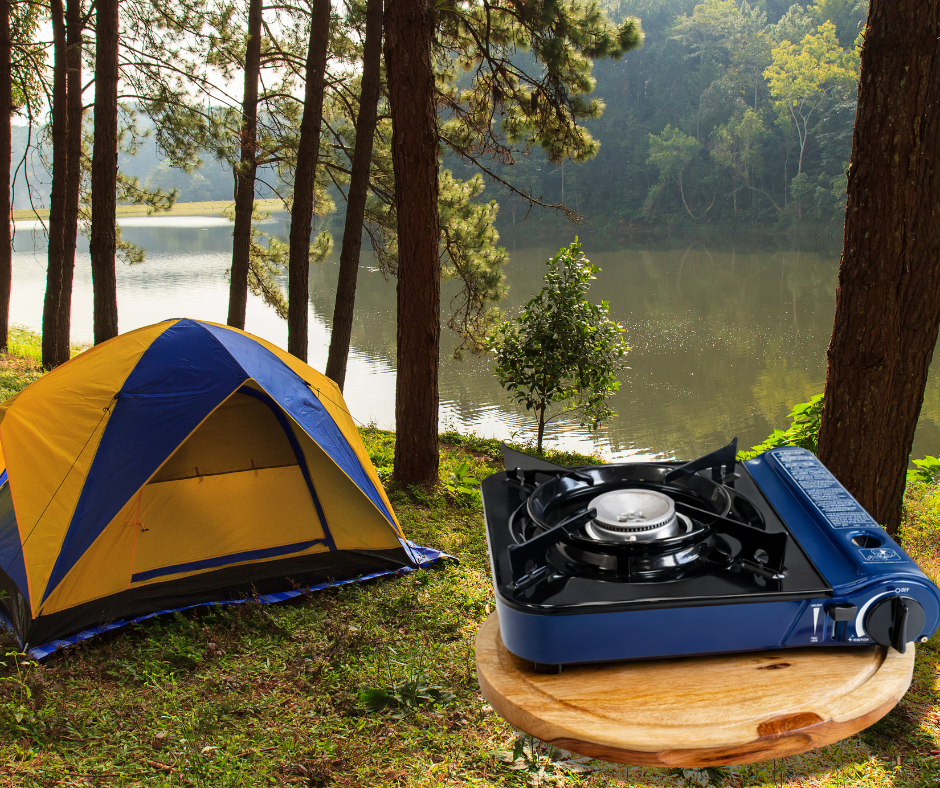
Waking up to the smell of pine trees and the gentle rustling of leaves, there’s something undeniably magical about starting the day at a campsite. As the sun peeks over the horizon, painting the sky in hues of pink and orange, the campsite begins to stir. The thrill of adventure mixed with the comfort of a warm breakfast cooked over a propane stove is a unique experience that many cherish. However, to make the most of this experience, it’s essential to understand the top safety tips for propane cooking at your campsite.
The serenity of the great outdoors can be easily disrupted by avoidable mishaps, and propane cooking, while convenient and efficient, requires a mindful approach to ensure safety. Imagine the excitement of preparing a hearty breakfast by the lake, with the mist rising and birds singing. This idyllic scene can quickly turn stressful without the right precautions. But with a bit of knowledge and preparation, propane cooking can enhance the camping experience, creating memorable meals and stories.
Setting Up for Success: The Importance of Site Selection
Choosing the right spot for your propane cooking setup is crucial. It starts with understanding the campsite layout and the prevailing wind direction. On a calm morning, as you sip your coffee, take a moment to assess the surroundings. Is there a flat, stable surface to place your stove? Ensuring stability prevents accidents like tipping over, which could lead to spills and potential fires.
Consider the wind direction. A gentle breeze can carry sparks and flames, so position your stove in a sheltered area. If the campsite has a designated cooking area, use it. These spots are typically designed with safety in mind, providing a stable surface and adequate space to work. Additionally, choosing a spot away from foot traffic minimizes the risk of someone accidentally bumping into your setup.
Equipment Check: Inspecting Your Gear
Before embarking on any cooking adventure, inspecting your propane equipment is vital. Picture a scenario where you’re ready to cook a delicious dinner after a day of hiking, only to discover a leak in your propane hose. Avoid this by conducting a thorough check before you leave home and each time you set up at a new campsite.
Look for any visible signs of wear and tear on the hose, connectors, and the stove itself. Listen for any hissing sounds that might indicate a leak. One effective method is the soapy water test: mix soap and water, apply it to the connections, and watch for bubbles, which signify a leak. If any are found, fix them before proceeding.
Additionally, ensure all components are securely fastened and in good working condition. A loose connection can be just as dangerous as a damaged hose. It’s also wise to bring spare parts and tools specifically for your propane setup, as finding replacements in a remote location can be challenging.
Safe Handling of Propane Tanks
Handling propane tanks requires a certain level of care and respect. Picture unloading your gear at the campsite, the excitement palpable. As you handle the propane tank, keep in mind that it should always be stored upright and in a well-ventilated area. Propane is heavier than air and can accumulate in low spots if there’s a leak, creating a fire hazard.
When connecting the tank to the stove, ensure the connections are tight but not overly so. Over-tightening can damage the threads and cause leaks. After cooking, turn off the stove first, then the propane supply to ensure no residual gas escapes.
In addition, transport propane tanks with care. Secure them in an upright position during travel to prevent any damage or leaks. Never leave propane tanks in direct sunlight or inside a hot vehicle, as the increased pressure from the heat can be dangerous. Familiarize yourself with the tank’s expiration date and replace it when needed to avoid using a potentially unsafe tank.
Cooking With Care: Techniques for Safe Propane Cooking
Now, imagine the sizzling sound of bacon and the rich aroma filling the air. Cooking with propane can be delightful, but it’s important to stay attentive. Never leave the stove unattended. This might seem like common sense, but in the midst of the outdoors’ distractions, it’s easy to walk away for just a moment.
Keep flammable items like paper towels, dishcloths, and even long sleeves away from the open flame. A gust of wind or an accidental brush can quickly lead to a fire. Have a fire extinguisher or a bucket of water nearby, just in case. It’s better to have it and not need it than to need it and not have it.
Also, maintain a clean cooking area. Remove any leaves, twigs, or other debris that could catch fire. Use wind guards or shields to protect the flame from gusts of wind, ensuring that the flame remains steady and reducing the risk of accidents. Educate fellow campers about maintaining a safe distance from the cooking area, especially children and pets who might wander too close.
Managing Grease and Food Safety
Crispy bacon, juicy burgers, and seared steaks – they all produce grease, which can be a fire hazard if not managed properly. As you cook, regularly drain excess grease into a container. This not only reduces the risk of flare-ups but also keeps your cooking area cleaner and safer.
In addition to managing grease, maintain food safety standards. Use separate utensils for raw and cooked foods to prevent cross-contamination. Keep perishables in a cooler with plenty of ice, and always cook meat to the appropriate temperature to ensure it’s safe to eat.
Regularly check the temperature of your cooler to ensure food stays within a safe range. Use insulated bags and ice packs to keep food cold while transporting it to and from the campsite. Clean utensils, cutting boards, and hands frequently to minimize the risk of foodborne illnesses. Educate your camping companions about proper food handling practices to ensure everyone follows the same safety protocols.
Wind and Weather Considerations
The weather in the great outdoors can be unpredictable. Picture a sunny morning turning into a breezy afternoon. Wind can be particularly challenging when cooking with propane. If the wind picks up, consider using a windscreen around your stove to prevent the flame from blowing out. However, ensure there’s still adequate ventilation.
In case of rain, having a tarp or canopy over your cooking area can keep you and your equipment dry. Just make sure it’s high enough and well-ventilated to avoid trapping gas or creating a fire hazard.
Monitor weather forecasts regularly and be prepared to adjust your cooking plans accordingly. In extreme weather conditions, it might be safer to cook inside your RV or under a sturdy shelter. Always prioritize safety over convenience, and have a backup plan for meals in case outdoor cooking becomes impractical.
Dealing with Emergencies
Even with all precautions, emergencies can happen. Knowing how to deal with them is crucial. If you suspect a gas leak, turn off the propane supply immediately and disconnect the tank. Move the tank to an open area away from flames or sparks. If you smell gas or suspect a leak, do not use the stove until the issue is resolved.
In case of a fire, use a fire extinguisher or water to put it out. Remember to aim at the base of the fire, not the flames. If the fire is out of control, evacuate the area and call for help.
Familiarize yourself with the location of emergency services and have a communication plan in place. Keep a fully charged phone or radio on hand to contact help if needed. Practicing emergency drills with your camping group can also be beneficial, ensuring everyone knows what to do in a crisis.
Keeping the Environment in Mind
Cooking in nature is a privilege, and it’s essential to leave no trace. Dispose of grease and food waste properly. Most campsites have designated disposal areas; use them to keep the area clean and safe for wildlife. Consider using biodegradable soap for washing dishes and avoid dumping soapy water near streams or lakes.
Additionally, be mindful of your propane usage. Turn off the stove when not in use to conserve fuel and minimize your impact on the environment. Opt for reusable cookware and utensils to reduce waste, and pack out all trash, leaving the campsite as pristine as you found it.
Bonding Over Meals
Cooking at a campsite is more than just preparing food; it’s about creating memories and bonding with fellow travelers. Imagine a group of friends or family gathered around the picnic table, sharing stories as the meal comes together. This communal aspect of camping cooking is one of its greatest joys.
Propane cooking provides a reliable and efficient way to prepare meals, allowing more time to enjoy these moments. With a few safety precautions, it becomes a seamless part of the camping experience.
Engage in meal planning and preparation as a group activity. Assign tasks to different members of the group, from chopping vegetables to manning the grill. This not only speeds up the process but also fosters a sense of teamwork and shared accomplishment. After the meal, take time to relax together, enjoying the tranquility of the natural surroundings and the satisfaction of a well-cooked meal.
Continuous Learning and Sharing Knowledge
As you become more adept at cooking with propane, sharing your knowledge with others can enhance the experience for everyone. Imagine a new camper, a bit unsure of their setup, looking to you for guidance. Passing on tips and tricks not only helps others but also reinforces your own practices.
Every campsite and cooking session is an opportunity to learn. Whether it’s a new recipe or a more efficient way to set up your gear, continuous learning keeps the adventure fresh and exciting.
Join online forums and local camping groups to exchange experiences and learn from seasoned campers. Attend workshops and demonstrations at camping events to expand your knowledge and skills. By staying engaged with the camping community, you can stay updated on the latest safety practices and cooking techniques.
As the day winds down and the stars begin to twinkle, there’s a sense of accomplishment in knowing that a delicious meal was prepared safely. The crackling campfire, the satisfied smiles, and the contentment that follows a hearty meal are the perfect end to a day in nature.
Cooking with propane at a campsite combines the best of both worlds – the convenience of modern technology and the beauty of the great outdoors. By following these safety tips, the experience becomes not only enjoyable but also worry-free.
So, pack up your propane stove, double-check your gear, and head out to the next campsite with confidence. The open road and the promise of culinary adventures await, bringing joy and delicious meals to every stop along the way.
There’s something about cooking outdoors that slows time down a little – the sound of the fire, the weight of the cast iron, the quiet that settles in when the only thing you’re focused on is the food in front of you. Every recipe here is one more stop along the way… one more meal cooked under open sky, one more reminder that simple ingredients and a good pan can turn any place into a kitchen.
If you’re following along on this journey, I’m glad you’re here. There’s a lot more to cook, a lot more to explore, and every dish adds a new chapter to where this project is heading.
See you at the next cookout.
Some of the links here are affiliate links. This means that if you click on the link and make a purchase, we will receive an affiliate commission at no additional cost to you.